Nitrated Hemp Paper
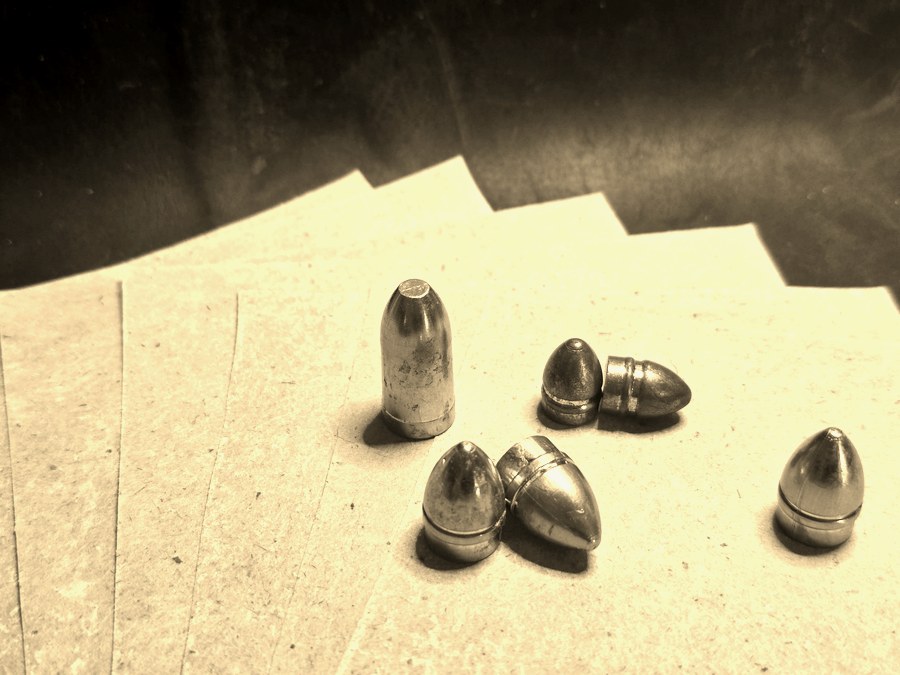
Material & Historical Context
The combustible cartridges used in Colt, Remington, and other cap and ball revolvers of the percussion era were made from nitrated rag paper — thin sheets prepared from worn linen and hemp textile scraps, treated with potassium nitrate to ensure complete combustion on firing. The nitration was essential: an untreated paper cartridge could leave smoldering residue in the cylinder which risked chain-firing adjacent chambers. A properly nitrated cartridge burns to nothing, leaving the cylinder clean and ready for the next charge.
Hemp and linen were the primary bast fibre sources for rag paper through the entire percussion era, and hemp in particular was among the most common papermaking fibres globally through the 19th century. This paper is made from 100% hemp fibre by hand, producing a sheet with the long fibre length and natural porosity of the original material. It is not a modern wood pulp substitute — the fibre content is consistent with the paper used in period cartridge manufacture.
Each sheet is soaked in a saturated potassium nitrate solution applied hot, allowed to dry, and pressed flat. The hot saturated solution drives nitrate deep into the fibre rather than depositing it only on the surface, producing thorough and even treatment throughout the sheet. The finished paper is completely combustible upon firing and leaves no residue in the bore or cylinder.
Combustion Performance
Test burn of a 30×60mm piece at 0.2mm thickness — the thickest section produced — burned completely corner to corner across the long diagonal in approximately 10 seconds, a propagation rate of approximately 6–7mm per second. Burning was even and steady throughout. Ash was minimal and very fine, dispersing with combustion gases rather than accumulating as a solid residue. Production sheets, being thinner than the test section, burn faster.
This performance compares favourably with commercial nitrated papers for which no material or treatment specifications are published. The saturated hot-solution treatment method used here is more thorough than cold or dilute-solution treatment, producing complete combustion rather than surface nitration alone.
Expected Yield by Calibre
Each sheet measures 127×178mm. The yield per sheet depends on the blank dimensions required for each calibre. The figures below are per 10-sheet pack, based on efficient layout with minimal waste.
| Calibre | Approx. Yield | Notes |
|---|---|---|
| .36 Navy | ~180 pieces | 40×28mm blank, 18 per sheet |
| .44 Colt Army | 90+ pieces | Minimum, based on Walker/Dragoon dimensions |
| .44 Walker/Dragoon | ~90 pieces | 45×38mm blank, 9 per sheet |
Use Notes
Period sources and contemporary practice document a range of adhesives for sealing cartridge seams and securing the bullet: shellac solution, collodion adhesive, sodium silicate, gum arabic, and starch paste were all used with success. Collodion — nitrocellulose in solvent solution — is the most historically authentic choice for nitrated paper cartridges, as it is itself fully combustible and was in commercial use by cartridge makers by the 1860s. The nitrated hemp paper is compatible with all of these methods. Store unused sheets flat in a dry environment away from heat sources.
Full Specification
| Fibre Content | 100% hemp |
| Construction | Handmade |
| Nitration Agent | Potassium nitrate, saturated solution, hot application |
| Sheet Size | 127×178mm (5×7″) |
| Burn Rate | ~6–7mm/second at 0.2mm thickness |
| Combustion | Complete — minimal fine ash, no coherent residue |
| Compatible Calibres | .36 Navy, .44 Army, .44 Walker/Dragoon |
| Quantity | 10 sheets per pack |
| Suitable Propellant | Black powder only |